
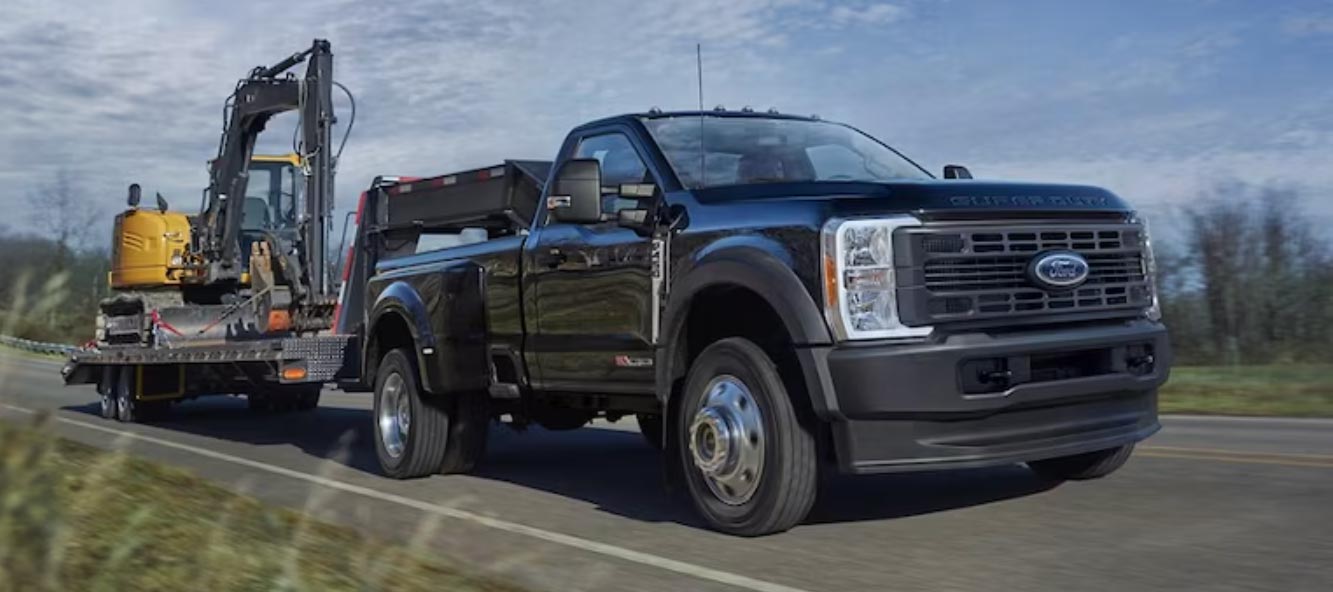
What Is GVWR (Gross Vehicle Weight Rating) and Why Does It Matter for Work or Play?
Posted at Sat, May 23, 2026 12:46 PM
If you shop trucks long enough, you start hearing a lot of weight terms thrown around like they are interchangeable. They are not. One of the most important is GVWR, or Gross Vehicle Weight Rating. It sounds technical, but it affects very practical decisions, like whether your truck is set up for hauling work equipment during the week or towing recreational gear on the weekend. For drivers around Southern New Hampshire, where one truck often has to handle both jobs, this number matters more than many people realize.
What exactly is GVWR?
GVWR is the maximum loaded weight of a single vehicle as specified by the manufacturer. In plain English, it is the heaviest your truck is meant to be when fully loaded and still operate safely. That total includes the truck itself, fuel, passengers, cargo, and accessories. The U.S. Department of Energy’s vehicle-weight guide similarly describes GVWR as the manufacturer’s maximum weight for the vehicle including fluids, passengers, and cargo.
How is that different from payload?
This is where people get tripped up. GVWR is the total allowed loaded weight of the truck. Payload is only the amount of weight you can add to the truck. NHTSA explains that a vehicle’s GVWR is tied to unloaded vehicle weight, seating positions, and rated cargo load, while the cargo load rating reflects how much weight the vehicle can safely carry. So if your truck weighs more because of a larger cab, 4x4 hardware, or extra equipment, that reduces how much payload is left.
Why does GVWR matter for work?
Because work adds up fast. A truck carrying a driver, a passenger, toolboxes, fuel cans, ladders, and a loaded bed of materials can reach its limit sooner than expected. GVWR helps you understand whether the truck is truly suited for your business use, not just whether it can physically fit the load. NHTSA notes that rated cargo load and GVWR are tied to the maximum load at which the vehicle may be safely operated, which is the key point for contractors, landscapers, and service businesses.
Why does GVWR matter for play?
The same logic applies when the truck is not on the clock. Weekend use can add up quickly too: passengers, coolers, camping gear, ATVs, or snowmobiles all count. Even if your trailer is within the truck’s towing capacity, the truck itself still has to stay within its GVWR once people and gear are onboard. That is why a truck that feels fine empty may not be the right fit for a family road trip loaded for adventure.
So what is the takeaway?
GVWR matters because it tells you what your truck is built to handle safely, not just what it can move once or twice. If you use your truck for both work and recreation, understanding GVWR helps you choose the right configuration, avoid overloading, and protect braking, handling, and long-term durability. At Tim’s Trucks, that is part of finding the right truck for the way you actually use it, whether that means hauling equipment Monday through Friday or heading north with gear when the weekend starts.