
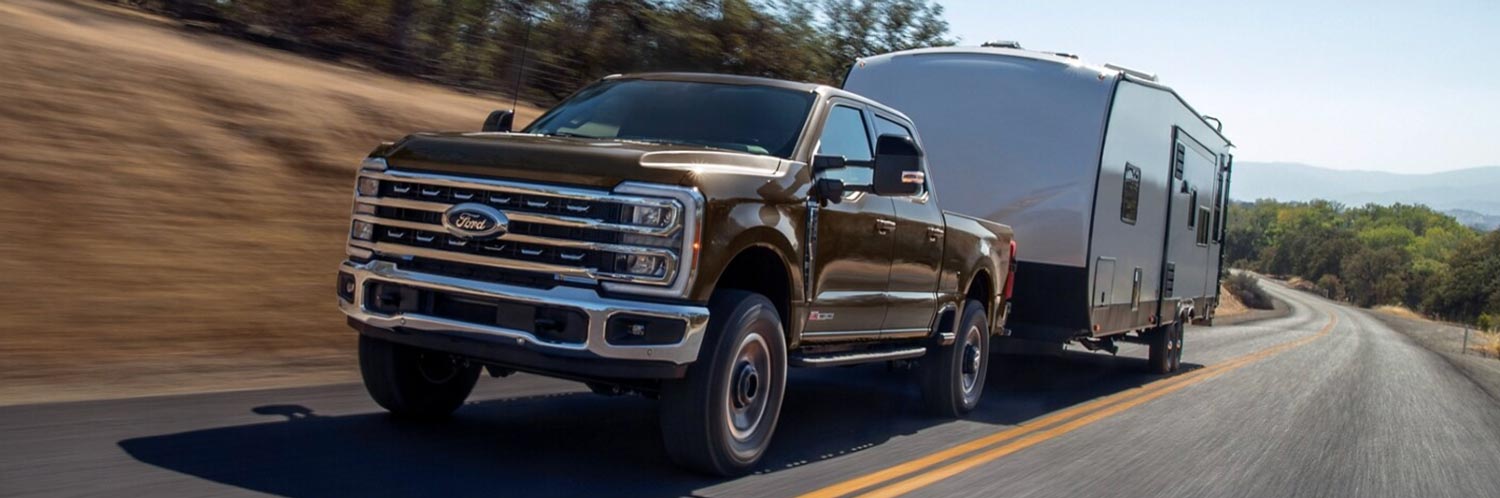
Diesel trucks have long been a staple for drivers who need power, durability, and towing capacity. In New Hampshire, where the terrain varies from coastal roads to mountainous regions, a diesel truck is often the vehicle of choice for both work and recreational purposes. These trucks are known for their long-lasting engines, high torque, and ability to handle heavy loads, making them ideal for construction, farming, or towing trailers for weekend adventures.
Buying a used diesel truck can be a smart investment, but it requires careful consideration. With the variety of models available, from Ford and RAM to Chevrolet, it’s important to understand what sets one truck apart from another. From engine health and transmission condition to service history and rust inspection, knowing what to look for can save buyers both time and money. Taking the time to thoroughly evaluate a truck before purchasing ensures that you invest in a vehicle that will deliver reliable performance for years to come.
Understanding Diesel Engines
Diesel engines differ significantly from gasoline engines. They operate using compression ignition, which makes them more fuel-efficient and capable of producing higher torque. This makes diesel trucks ideal for hauling heavy loads, towing trailers, and handling rough terrain. However, diesel engines are also more expensive to repair if neglected. For used diesel trucks, engine condition is a critical factor. Buyers should look for signs of proper maintenance, such as regular oil changes and service records.
Mileage and Engine Life
When evaluating a used diesel truck, mileage is an important consideration, but it doesn’t tell the whole story. Diesel engines are built to last longer than gasoline engines, and many can surpass 300,000 miles with proper care. What matters more than total miles is how the truck was driven and maintained. Highway miles are generally easier on an engine than heavy city driving or towing.
Requesting a full maintenance history can provide insight into the truck’s longevity and help identify potential future issues. It’s also a good idea to have a trusted mechanic perform a pre-purchase inspection to uncover any hidden problems before committing to the buy.
Transmission and Drivetrain
The transmission in a diesel truck endures significant stress, especially if the vehicle has been used for towing. Automatic transmissions are common, but manual transmissions can offer better control and longevity if the previous owner maintained them properly. It’s essential to check for smooth shifting and any unusual noises. The drivetrain, including the transfer case on four-wheel-drive models, should also be inspected. Look for leaks, unusual vibrations, or signs of wear that could indicate costly repairs down the road.
Turbochargers and Intercoolers
Most modern diesel trucks are equipped with turbochargers to increase power and efficiency. While turbos improve performance, they are also prone to wear and failure if neglected. Buyers should check for excessive smoke from the exhaust, unusual whining noises, or oil leaks around the turbo. The intercooler, which cools the air compressed by the turbo, should also be inspected for leaks or damage. A well-maintained turbo and intercooler system can last for hundreds of thousands of miles, but repairs can be expensive if problems are ignored.
Fuel System Considerations
Diesel fuel systems are highly precise and can be sensitive to contamination. Fuel injectors, pumps, and filters must be in good condition to maintain performance. Signs of poor fuel system maintenance include rough idling, difficulty starting, or reduced fuel efficiency. When buying a used diesel truck, it’s wise to ask if the fuel system has been serviced regularly and whether premium diesel fuel was used. Additionally, some older diesel models may require fuel additives to prevent gelling in cold weather, which is a practical concern in New Hampshire winters.
Emissions Systems and Regulations
Modern diesel trucks are equipped with advanced emissions systems, including diesel particulate filters (DPF) and selective catalytic reduction (SCR) systems. These systems reduce harmful emissions but can be costly to repair if they fail. Check for warning lights on the dashboard and ask the seller about any past emissions system repairs. In New Hampshire, where environmental regulations are enforced, having a functioning emissions system is not only legal but also essential for passing inspections.
Suspension and Frame Condition
A diesel truck’s suspension and frame take a lot of abuse, especially if the vehicle has been used for heavy towing or off-road work. Inspect the frame for rust, cracks, or signs of welding. Rust can be particularly problematic in northern climates due to road salt during winter. The suspension, including shocks, springs, and bushings, should provide a smooth ride without excessive bouncing or sagging. Pay attention to uneven tire wear, which may indicate alignment or suspension issues.
Tires and Wheels
Tires are more than just a cosmetic concern. They are crucial for safety, performance, and fuel efficiency. Diesel trucks often come equipped with heavy-duty tires designed for towing or off-road use. Check the tread depth and look for signs of uneven wear. Inspect the wheels for bends, cracks, or corrosion. New tires can be a significant expense, so factoring this into the total cost of the truck is important.
Interior and Comfort Features
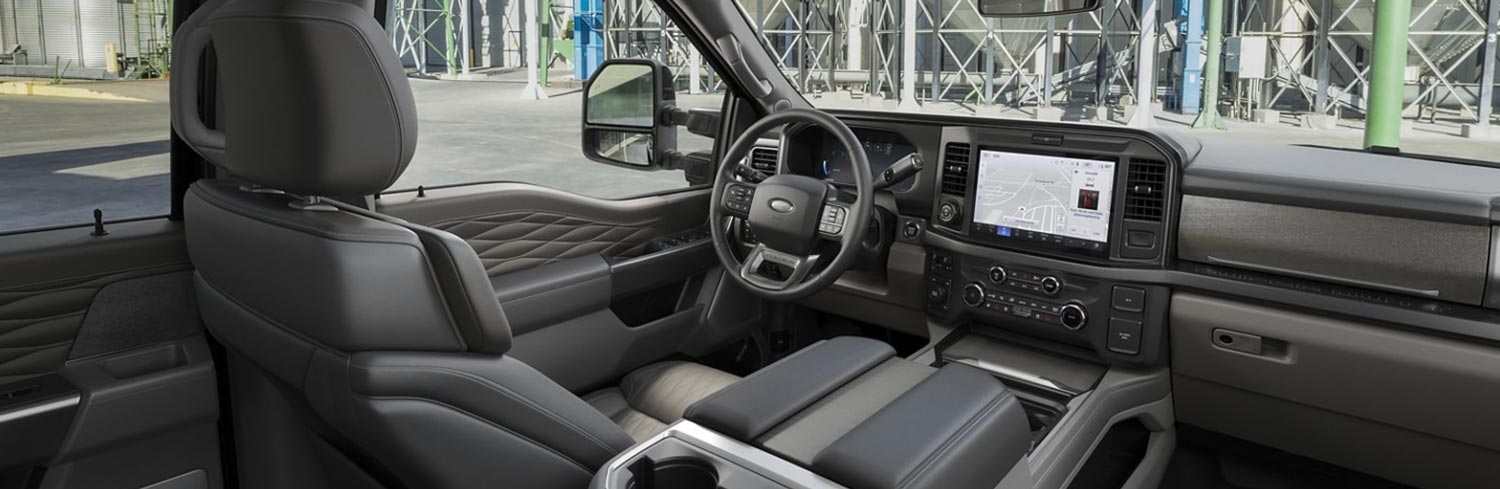
While diesel trucks are built for utility, comfort should not be overlooked. Examine the interior for wear on seats, flooring, and controls. Test all electronics, including infotainment systems, air conditioning, and power windows. Modern diesel trucks often include advanced features such as navigation, Bluetooth connectivity, and driver assistance systems. Ensuring these components work correctly can save both frustration and repair costs later.
Test Driving a Diesel Truck
A thorough test drive is one of the most important steps when buying a used diesel truck. Listen for unusual engine noises, check for smooth shifting, and monitor acceleration and braking. Test the truck with a load if possible, as towing performance can reveal hidden issues. Pay attention to steering responsiveness and suspension performance. A test drive can often reveal problems that are not apparent during a visual inspection.
Checking Vehicle History
A detailed vehicle history report is essential when buying any used truck. Look for accident history, service records, title issues, and past ownership. Trucks used in harsh conditions or for commercial purposes may have experienced more wear and tear. A clean history report can provide peace of mind, but it should be combined with a physical inspection and test drive for a complete assessment.
Finding a Reliable Seller
Where you buy a used diesel truck can make a big difference in quality and reliability. Dealerships often provide certified pre-owned options with warranties and inspections. Private sellers may offer lower prices, but the risk is higher. In New Hampshire, local dealerships familiar with diesel trucks can help guide buyers through the inspection process, offer financing options, and provide support if issues arise after purchase. Tim’s Truck is one great place, where you can find it all.
Budgeting for Maintenance
Diesel trucks are known for their durability, but maintenance costs are generally higher than gasoline vehicles. Budgeting for regular oil changes, fuel filter replacements, and occasional turbo or injector repairs is crucial. Ignoring maintenance can lead to expensive repairs down the line. Understanding the total cost of ownership, including insurance, fuel, and maintenance, ensures that buying a used diesel truck remains a wise investment.
Popular Diesel Truck Models in New Hampshire
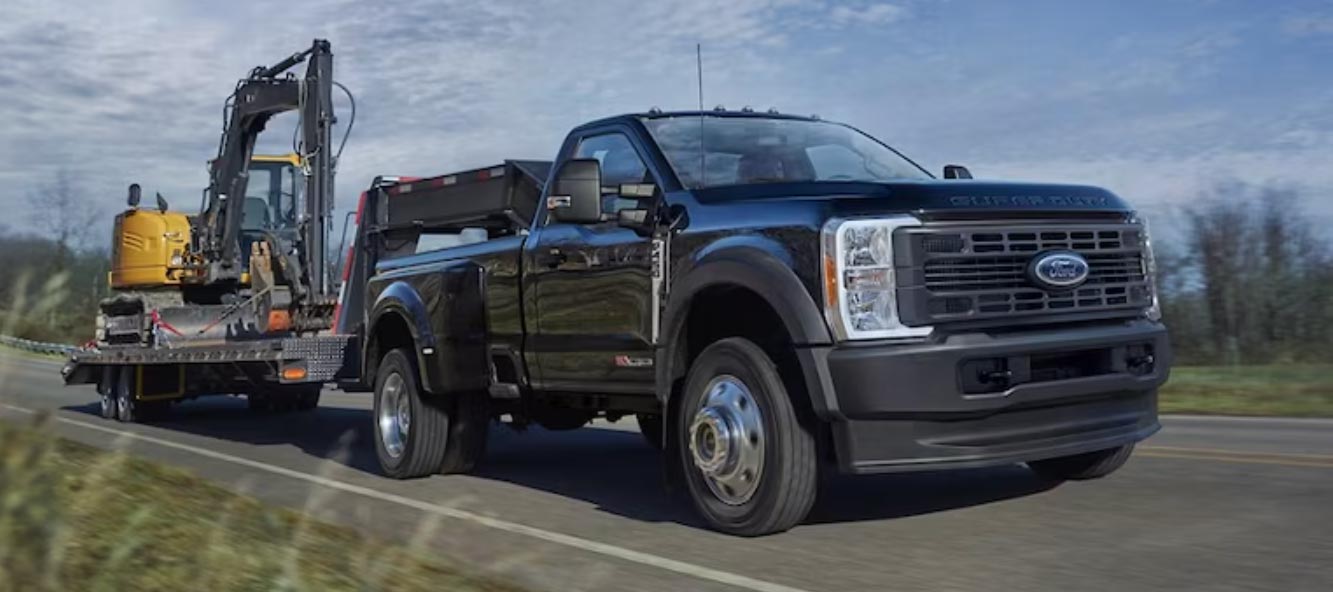
Several diesel truck models are popular in New Hampshire due to their reliability and performance. Ford Super Duty trucks with Power Stroke engines, Chevrolet Silverado HD models with Duramax engines, and RAM 2500 or 3500 trucks with Cummins engines are frequently sought after. Each model has its own strengths and common issues, so researching specific trucks can help buyers make informed decisions. Local online listings and dealership inventories are a good place to start.
Tips for Negotiating a Fair Price
Negotiating a fair price for a used diesel truck requires preparation and a clear understanding of the market. Start by researching current values using trusted resources like Kelley Blue Book or NADA Guides to establish a realistic price range. Take into account the truck’s mileage, overall condition, service history, and any added features or upgrades that may affect its value. A thorough inspection and test drive can help uncover potential issues that may justify a lower price.
Most importantly, be prepared to walk away if the deal doesn’t feel right or if concerns arise during the process. Patience, research, and confidence go a long way in securing a fair deal on a reliable diesel truck.
Check out New and Used Diesel Trucks at Tim’s Truck
Buying a used diesel truck in New Hampshire can be a smart investment when you know what to look for. Understanding diesel engines, reviewing maintenance records, inspecting key components, and taking a thorough test drive all help ensure you choose a reliable truck for work, towing, or recreation.
Comparing available models and features allows you to find a truck that performs well today and remains dependable for years to come. For those ready to get started, Tim’s Truck offers a wide selection of diesel trucks backed by knowledgeable staff who can guide you through the process and help you find the right fit for your needs and budget.